Comparative Fault Law
Learn how New York allocates responsibility when more than one person may have contributed to an accident, including the 2026 motor-vehicle rule.
Start With the Question That Matches Your Situation
These explanations are organized around the issues readers most often encounter when a claim is being investigated, documented, negotiated, or litigated in New York.
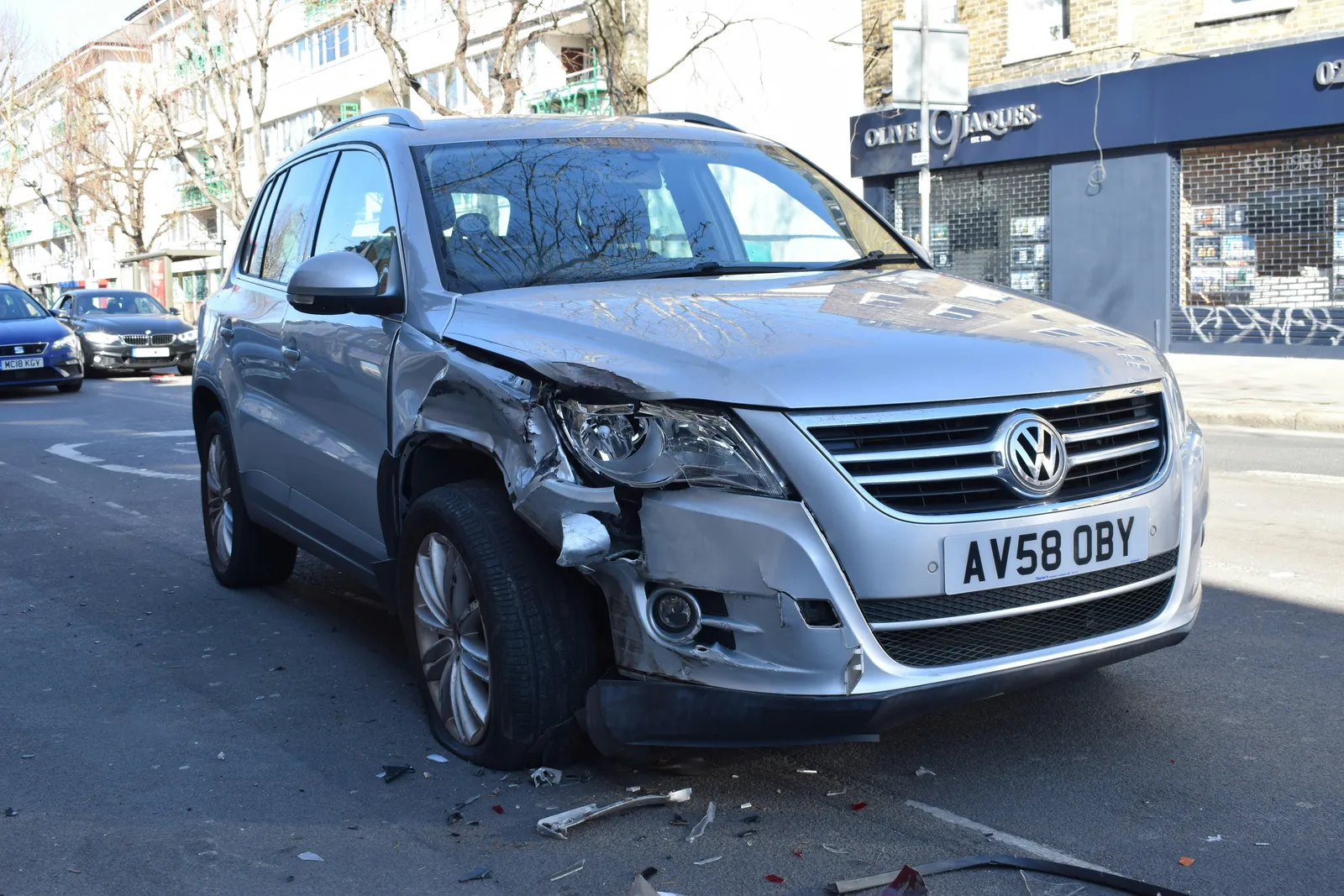
How Comparative Fault Works in New York
Understand how responsibility can be divided, how fault percentages affect damages, and why the type of case now matters more after the 2026 motor-vehicle reforms.
Read the topic →New York’s 2026 Motor-Vehicle Comparative Negligence Rule
A practical explanation of the May 26, 2026 change to CPLR § 1411 for personal injury cases governed by Insurance Law Article 51.
Read the topic →
Comparative Fault Outside New York Motor-Vehicle Cases
Learn how CPLR § 1411 generally operates in premises, product, workplace, and other personal injury disputes outside the Article 51 motor-vehicle framework.
Read the topic →
Evidence Used to Assign Percentages of Fault
Photos, video, measurements, witness accounts, records, electronic data, and expert analysis can all shape how responsibility is divided.
Read the topic →Shared Fault in Multi-Vehicle Crashes
Pileups, chain reactions, lane-change collisions, and intersection crashes can involve several drivers and several theories of responsibility.
Read the topic →Comparative Fault in Pedestrian and Bicycle Injury Cases
Explore how signals, crosswalks, visibility, speed, lighting, roadway position, and reaction time can be disputed when a pedestrian or cyclist is injured.
Read the topic →
Fault and Damages Are Different Questions
A strong injury does not establish responsibility, and strong liability proof does not establish the amount of loss. Learn why the two analyses should remain separate.
Read the topic →
Comparative Fault and Summary Judgment in New York
Understand why courts may decide some liability issues before trial while leaving other factual disputes for a jury.
Read the topic →
How Disputed Fault Affects Settlement Negotiations
Liability risk changes case valuation. Learn how evidence strength, possible fault allocations, damages, coverage, and trial risk can shape negotiation.
Read the topic →
Responding to Comparative Fault Arguments
A practical look at how claimants can investigate, document, and answer allegations that their own conduct caused or increased the harm.
Read the topic →