
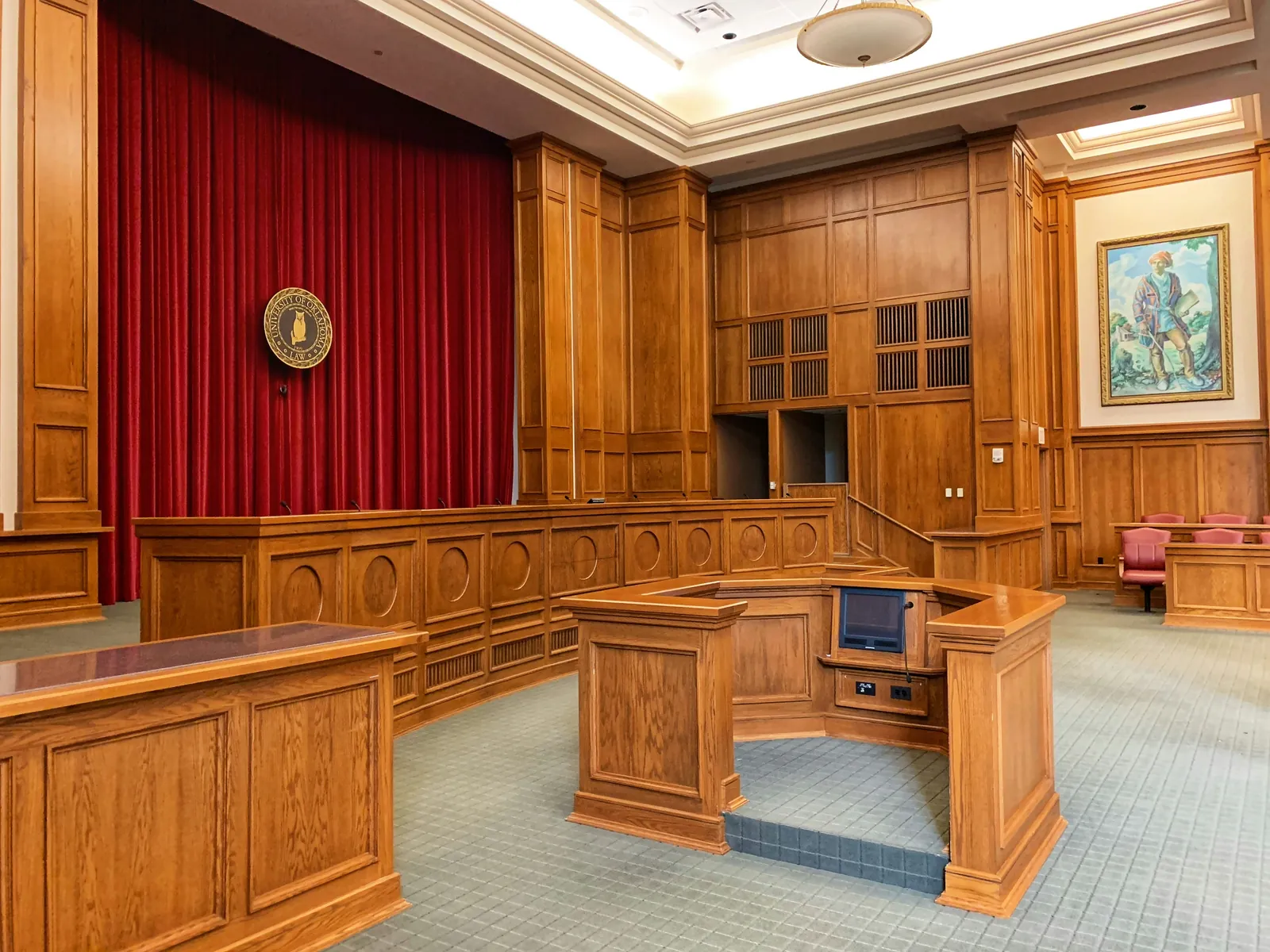
The word 'lawsuit' can sound like a single event: someone sues, the parties go to court, and a jury decides what happens. In reality, a New York personal injury lawsuit is a sequence that can last many months or longer. Filing the case is only the beginning. The parties then exchange information, question witnesses, obtain medical and expert evidence, ask judges to decide legal issues, negotiate, and prepare for trial. Many cases settle during that process without a verdict.
Understanding the stages makes litigation less intimidating. It also explains why a case may appear quiet for periods of time while important work is happening behind the scenes. Records are being collected, depositions scheduled, experts retained, motions briefed, and court conferences held. A client who knows what each stage is designed to accomplish can participate more effectively and make better decisions when settlement opportunities arise.
The Lawsuit Begins With Pleadings and Filing
A civil action begins with formal papers that identify the parties and the legal claims. Depending on the procedure used, a summons and complaint or other initiating papers are filed in the appropriate court. The complaint sets out the allegations in a legally sufficient form: what the defendant is alleged to have done, how the plaintiff was injured, and what relief is sought. It is not normally the place for every piece of evidence or every detail that will later be presented at trial.
Choosing the correct court and parties matters. Jurisdiction, venue, defendant identity, corporate names, governmental notice requirements, and statutes of limitations can all affect filing. A mistake in naming a defendant or waiting until the final day can create avoidable procedural fights. Before filing, counsel typically confirms the incident date, potential defendants, addresses for service, applicable deadlines, and whether special pre-suit requirements have been satisfied.
Service Gives the Defendant Formal Notice
Filing papers with the court is not necessarily enough. The defendant generally must be served according to the applicable rules. Service is the formal delivery process that brings the defendant into the case and establishes notice in the manner the law requires. Different rules can apply to individuals, corporations, governmental entities, and other organizations. Proof of service is then filed or maintained as required.
Service can become contested if the defendant argues that the papers were delivered incorrectly or too late. That is one reason lawyers use professional process servers and track affidavits carefully. A case with strong facts can still be delayed by procedural disputes. Clients may hear little during this stage because the task is primarily technical, but proper service is an important foundation for everything that follows.
The Defendant Answers and Raises Defenses
After service, the defendant typically responds with an answer. The answer admits or denies allegations and can assert affirmative defenses. In a personal injury case, common defenses may involve comparative fault, lack of notice, lack of causation, statute of limitations, failure to meet a statutory threshold, assumption of risk, improper party, or other legal and factual arguments. The defendant may also bring claims against other parties believed to share responsibility.
An affirmative defense is not proof that the defense is true. It preserves an issue to be developed through discovery and motion practice. Likewise, a denial in an answer does not mean the defense has evidence contradicting every allegation. Pleadings define the dispute at a broad level. The detailed factual record comes later, which is why the early court papers can look general compared with the evidence discussed during depositions or trial.
Discovery Is the Evidence-Exchange Stage
Discovery is the process through which the parties obtain relevant information from each other and from third parties. The New York court system describes discovery as an exchange of information and evidence before trial. In personal injury litigation, discovery can include medical authorizations, accident photographs, incident reports, employment records, insurance information, maintenance records, contracts, surveillance, electronic data, expert disclosures, and other material connected to liability or damages.
Discovery can take time because the records may be held by hospitals, employers, corporations, government agencies, experts, and outside vendors. Parties can object to requests that are irrelevant, privileged, overbroad, or otherwise improper, and judges may need to resolve disputes. The objective is not unlimited access to everything about a person or company. It is to provide a fair opportunity to obtain evidence that bears on the claims and defenses.
Depositions Put Witnesses Under Oath
A deposition is sworn testimony given before trial, usually in a conference room, law office, or remote setting rather than in front of a jury. Attorneys ask questions, and a court reporter creates a transcript. The plaintiff is commonly questioned about how the incident occurred, prior and current medical history, treatment, limitations, work, damages, and other relevant matters. Defendants, employees, property managers, drivers, supervisors, or corporate witnesses may also be deposed.
Deposition preparation is about accuracy, not memorization. A witness should listen to the question, answer what is asked, avoid guessing, and say when something is not remembered. The transcript can later be used in motions and at trial to test consistency. Because depositions often provide the first detailed opportunity to evaluate the people involved, they can also influence settlement. A credible witness with a clear account can change how both sides assess trial risk.
Medical Examinations and Medical Discovery Are Common
When a plaintiff claims physical injury, the defense may obtain relevant medical records and, under applicable procedural rules, may be entitled to a physical examination by a doctor selected for the defense. These examinations are frequently called independent medical examinations. The examining physician may address diagnosis, causation, range of motion, disability, treatment, and prognosis. The resulting report can support defense motions or trial testimony.
The plaintiff's treating records remain central. Lawyers collect imaging, surgical records, therapy notes, specialist opinions, and prior medical history when relevant. If causation or permanence is disputed, expert medical opinions may be required. The medical side of a lawsuit is often more complex than simply proving that treatment occurred; the parties may disagree about whether the accident caused the condition, whether treatment was necessary, and whether limitations are expected to continue.
Motions Ask the Judge to Decide Legal Issues Before Trial
A motion is a formal request for a judge to make a ruling. Personal injury cases can involve motions about discovery, evidence, procedural issues, or summary judgment. A summary-judgment motion asks the court to decide a claim or issue without a trial because the moving party contends there is no material factual dispute requiring a jury. Liability may sometimes be resolved or narrowed through motion practice even though damages remain for later determination.
Motions are decided from the legal standard and the admissible record submitted to the court. Affidavits, deposition transcripts, photographs, expert opinions, contracts, and other exhibits may be used. A strong motion can eliminate defenses, dismiss parties, or clarify the issues for trial. An unsuccessful motion is not necessarily the end of the case; it may simply mean factual disputes must be decided by a jury. Motion decisions also affect settlement leverage because they change the risks each side faces.
Court Conferences Keep the Case Moving
New York courts schedule conferences to monitor discovery, address disputes, set deadlines, and prepare cases for trial. The details vary by court, county, judge, and case type. Attorneys may discuss outstanding depositions, medical examinations, expert disclosure, document production, settlement, or a schedule for motions. Many routine conferences do not require the injured client to appear personally unless counsel advises otherwise.
These procedural dates matter even when they do not produce a dramatic public event. Missing a court-ordered deadline can lead to motions, sanctions, preclusion of evidence, or delay. Organized litigation uses a calendar for discovery responses, depositions, expert work, motions, court appearances, and trial readiness. Clients can help by responding promptly to document requests and keeping counsel informed about new treatment, address changes, employment changes, or later incidents that could affect the case.
Filing a Note of Issue Signals Trial Readiness
After discovery is substantially complete, New York practice commonly uses a note of issue and certificate of readiness to place the case on the trial calendar, subject to the applicable rules and any court-specific procedures. This does not mean the trial begins the next morning. There may still be motions, settlement conferences, expert preparation, scheduling delays, and other pretrial work. But it marks an important transition from evidence gathering to trial readiness.
Before that point, counsel should know the liability proof, medical evidence, witnesses, exhibits, damages calculations, liens, and significant evidentiary disputes. Experts may need updated examinations or reports. Demonstrative exhibits may be prepared. Witness availability is confirmed. The client should understand the strengths and weaknesses of the case and the range of possible outcomes. Settlement discussions often become more focused as a real trial date approaches.
Trial Is a Structured Presentation of Evidence
At trial, the parties select a jury when a jury trial is available and demanded, present opening statements, call witnesses, introduce exhibits, cross-examine opposing witnesses, and make closing arguments. The judge rules on legal and evidentiary issues and instructs the jury on the law. The jury then decides factual questions such as negligence, comparative fault, causation, and damages, depending on what issues remain for trial.
Trials are unpredictable because credibility and evidence are evaluated by people who were not involved in the case. A witness may testify differently than expected. An expert may be more or less persuasive in person. A photograph can have greater impact than pages of testimony. Jurors may allocate fault in a way neither side predicted. That uncertainty is one reason settlement remains possible even during trial. Choosing trial means accepting the possibility of a result better or worse than the last settlement offer.
Verdict, Judgment, Post-Trial Motions, and Appeal
A verdict is not always the final procedural event. The court enters judgment according to the verdict and applicable law, and parties may make post-trial motions challenging aspects of the result. A party may also have appellate rights. Appeals focus on legal error and the record created in the trial court; they are not simply a second trial with new evidence. The standards and deadlines for appellate review are technical.
A settlement can still occur after a verdict while post-trial motions or appeals are pending. The parties may prefer certainty over additional years of litigation and appellate risk. For the client, the important point is that a lawsuit has stages, each with its own purpose and decision points. Filing suit is not an admission that settlement failed. It is often the mechanism that allows the parties to obtain the evidence and court rulings needed to evaluate the case fairly.
How a Client Can Help During Litigation
Clients do not need to become legal technicians, but they do play a major role. Keep counsel updated about medical treatment, surgery, new diagnoses, work status, address changes, and later accidents. Preserve documents and social-media content as advised. Respond promptly when records or authorizations are needed. Prepare carefully for deposition and trial meetings. Ask questions when a request or court event is unclear rather than making assumptions.
Most importantly, remain accurate. Do not exaggerate symptoms, hide prior injuries, delete evidence, or guess about facts. Litigation tests consistency over time. A credible client who gives doctors, lawyers, insurers, and the court a truthful account provides a much stronger foundation than a client trying to create a perfect narrative. The legal team can address difficult facts; it cannot easily repair credibility once it is lost.
Frequently Asked Questions
Does filing a personal injury lawsuit mean my case will definitely go to trial?
No. Many lawsuits settle during discovery, after depositions, during mediation, after motions, or close to trial. Filing gives the parties access to formal discovery and court procedures and protects the claim when a deadline requires filing.
Will I have to give a deposition?
In most litigated personal injury cases, the plaintiff should expect a deposition. The defense can ask relevant questions about the incident, injuries, medical history, treatment, work, and damages. Preparation focuses on truthful, careful testimony rather than scripted answers.
How long does a New York personal injury lawsuit take?
There is no universal duration. Complexity, court schedules, number of parties, discovery disputes, medical development, motions, and trial availability all affect timing. A simple case can move much faster than a multi-party catastrophic injury case.
New York Legal References
For readers who want to verify the governing rules, these official New York resources are useful starting points:
Legal information changes and exceptions can alter a deadline, defense, or available remedy. Nothing on this page creates an attorney-client relationship. For advice about a specific accident, injury, insurance issue, or filing deadline, consult a qualified New York attorney who can review the actual facts and documents.